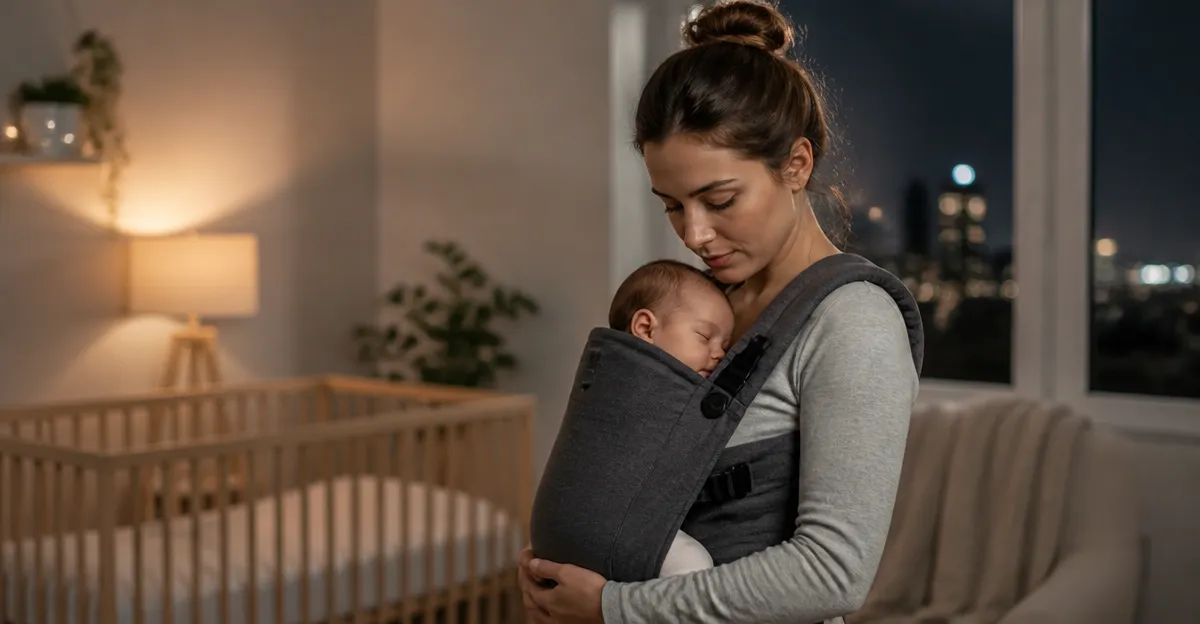
How Long Can a Newborn Sleep in a Carrier Overnight? Safety Limits, Risks & Practical Tips
Introduction
Parents often wonder whether a newborn can remain in a carrier throughout the night without compromising safety. This guide explains the physiological limits, potential hazards, and evidence‑based practices that enable a secure overnight carrier experience. Readers will learn how to assess readiness, select an appropriate carrier, and implement a routine that promotes both infant wellbeing and caregiver comfort. By following these recommendations, one can enjoy hands‑free bonding while maintaining peace of mind.
What You'll Need
- A carrier that offers ergonomic support and adjustable fit (see product recommendations below).
- Soft, breathable clothing for both caregiver and infant.
- A safe sleep environment: firm mattress, no loose bedding, and a temperature‑controlled room.
- A monitoring device such as a baby monitor or wearable sensor.
- Optional: a lightweight blanket for cooler climates.
Step 1: Evaluate Infant Readiness
Before attempting overnight carrier sleep, confirm that the newborn meets key developmental milestones. The infant should be able to hold the head steady for at least three seconds and display a stable neck tone. Most pediatricians advise waiting until the baby reaches a minimum weight of eight pounds, which aligns with the weight range of the carriers described later. If the infant is younger than three weeks, it is prudent to limit carrier use to short periods and monitor closely.
Step 2: Choose an Ergonomic Carrier
Selecting a carrier that distributes weight evenly reduces strain on the caregiver’s back and shoulders while keeping the baby in a healthy "M"‑position. The Infantino Flip 4‑in‑1 Baby Carrier provides four carrying positions, padded shoulder straps, and a wide waist belt, making it suitable for newborns up to 32 lb. Its price of $31.99 and rating of 4.6/5 from over 83,000 reviews indicate strong value and reliability. The carrier’s convertible seat transitions from a narrow newborn cradle to a wider ergonomic seat, supporting the hips in the recommended "M"‑position.
For caregivers who prefer a slightly lower price point without sacrificing features, the Infantino Flip Advanced Baby Carrier offers identical 4‑in‑1 versatility at $29.15, also rated 4.6/5. Its adjustable waist belt (24‑49 in) accommodates a wide range of body types, ensuring a personalized fit.
Step 3: Prepare the Carrier and Baby
Begin by washing the carrier according to the manufacturer’s instructions; both Infantino models are machine‑washable, which simplifies hygiene after nighttime use. Dress the infant in a soft, breathable onesie and avoid bulky outer layers that could interfere with the carrier’s snug fit. Position the carrier on a flat surface, lay out the straps, and perform a quick visual inspection for any frayed seams.
If you favor a wrap style, the KeaBabies Baby Wrap Carrier offers a self‑tie design that distributes weight across the torso and hips. Priced at $25.47 with a 4.5/5 rating, it is certified by the International Hip Dysplasia Institute, ensuring hip‑healthy positioning. The wrap’s breathable fabric reduces overheating, a common concern during prolonged wear.
For caregivers seeking a two‑piece system with rapid adjustment, the Momcozy Baby Wrap Carrier provides an adjustable size range from XXS to XXL and a stretch‑enhanced fabric that supports infants up to 33 lb. At $33.99 and a 4.4/5 rating, it balances comfort with durability.
Step 4: Secure the Baby in the Carrier
Place the infant’s head in the carrier’s head support and ensure the legs form a natural "M" shape, with knees higher than hips. Tighten the shoulder straps so that the carrier sits high on the chest, not low on the waist, which maximizes weight distribution. The waist belt should be snug but not restrictive, allowing the caregiver to breathe comfortably.
For wrap carriers, follow the instructional video provided by the manufacturer to achieve a secure knot. The KeaBabies wrap requires a single self‑tie, eliminating the need for constant readjustment once set. The Momcozy system uses a separate belt that can be fastened with a simple buckle, offering one‑handed adjustment.
Step 5: Create a Safe Sleep Environment
Place the caregiver on a firm mattress or a supportive recliner that does not sag. Remove all pillows, blankets, and stuffed animals from the immediate area to prevent suffocation hazards. Maintain room temperature between 68‑72°F (20‑22°C) and use a lightweight breathable blanket only if the infant feels cool.
Consider using a baby monitor positioned near the caregiver’s head to listen for any signs of distress. Some parents also employ a wearable sensor that alerts when the infant’s breathing pattern changes, adding an extra layer of safety.
Step 6: Monitor the Infant Throughout the Night
Check the infant’s breathing and chest movement every 30‑45 minutes during the first few nights. Look for signs of overheating, such as flushed cheeks or rapid breathing, and adjust clothing accordingly. If the caregiver feels any back, shoulder, or neck discomfort, pause the carrier session and reposition or switch to a different carrier model.
Both Infantino carriers feature breathable mesh panels that promote airflow, reducing the risk of heat buildup. The KeaBabies wrap’s stretchy fabric also allows air circulation, which is beneficial for longer wear periods.
Step 7: Transition to Independent Sleep
After a week of successful overnight carrier use, gradually reduce the duration by moving the infant to a crib for the final two hours of sleep. This transition helps the baby develop self‑soothing skills while still benefiting from the bonding experience of carrier sleep.
Observe the infant’s sleep patterns; if frequent waking persists, consult a pediatrician to rule out underlying medical concerns.
Tips & Pro Tips
- Always perform a "carrier fit test" before bedtime: the caregiver should be able to lift the baby with a single hand while the carrier remains snug.
- Use a soft, moisture‑wicking liner under the infant’s clothing to keep skin dry during extended wear.
- If the infant’s hair is long, secure it away from the carrier straps to prevent tangling.
- Rotate carriers between night and day use to extend the lifespan of each product.
- Keep a small bag with spare straps, a quick‑dry towel, and a portable charger for the baby monitor.
Troubleshooting
| Problem | Possible Cause | Solution |
|---|---|---|
| Baby feels hot | Insufficient airflow or excessive clothing | Remove outer layers, ensure carrier mesh is uncovered, and adjust room temperature. |
| Caregiver experiences shoulder strain | Straps not evenly tightened | Redistribute weight by tightening the waist belt and padding shoulder straps. |
| Carrier straps keep tangling | Improper pre‑setting of arm straps | Follow the manufacturer’s recommendation to preset arm straps before placing the baby. |
Conclusion
Newborns can safely sleep in a carrier overnight when caregivers adhere to weight limits, maintain proper ergonomic positioning, and monitor environmental conditions. By selecting an appropriate carrier—such as the Infantino Flip 4‑in‑1 Baby Carrier, Infantino Flip Advanced Baby Carrier, KeaBabies Baby Wrap Carrier, Momcozy Baby Wrap Carrier, or BabyBjörn Baby Carrier Mini—parents can enjoy hands‑free bonding while minimizing risk. Implement the step‑by‑step process outlined above, and adjust based on the infant’s cues to ensure a restful night for both caregiver and baby.
Products Mentioned in This Guide
Frequently Asked Questions
Is it safe for a newborn to sleep in a carrier overnight?
Only if the carrier provides ergonomic support, the infant is ready, and the environment meets safe‑sleep guidelines; otherwise it’s not recommended.
What signs indicate a newborn is ready for overnight carrier sleep?
The baby should have stable neck control, be able to breathe easily in the carrier, and show no signs of overheating or distress.
How long can a newborn safely stay in a carrier at night?
Limit continuous use to 1–2 hours, checking the baby frequently, and never exceed 3–4 hours total without a break.
What safety equipment should I use when sleeping with a newborn in a carrier?
Use a baby monitor or wearable sensor, ensure a firm mattress, keep the room temperature between 68‑72°F, and avoid loose bedding.
Which type of carrier is best for overnight use with a newborn?
Choose an ergonomic, adjustable carrier with good head‑and‑neck support and breathable fabrics designed for newborns.